The moment I chose in Stranger With A Camera is at the 25:45 timestamp. This part of the film discusses how Whitesburg, Kentucky, was perceived by the large broadcasting corporations that would come to the small town and document what life was like for the locals. The tension posed is that most people in the town did not feel that they were being accurately portrayed. The film as a whole presents this tension by showcasing the multiple perspectives of what, how, and why the murder happened.
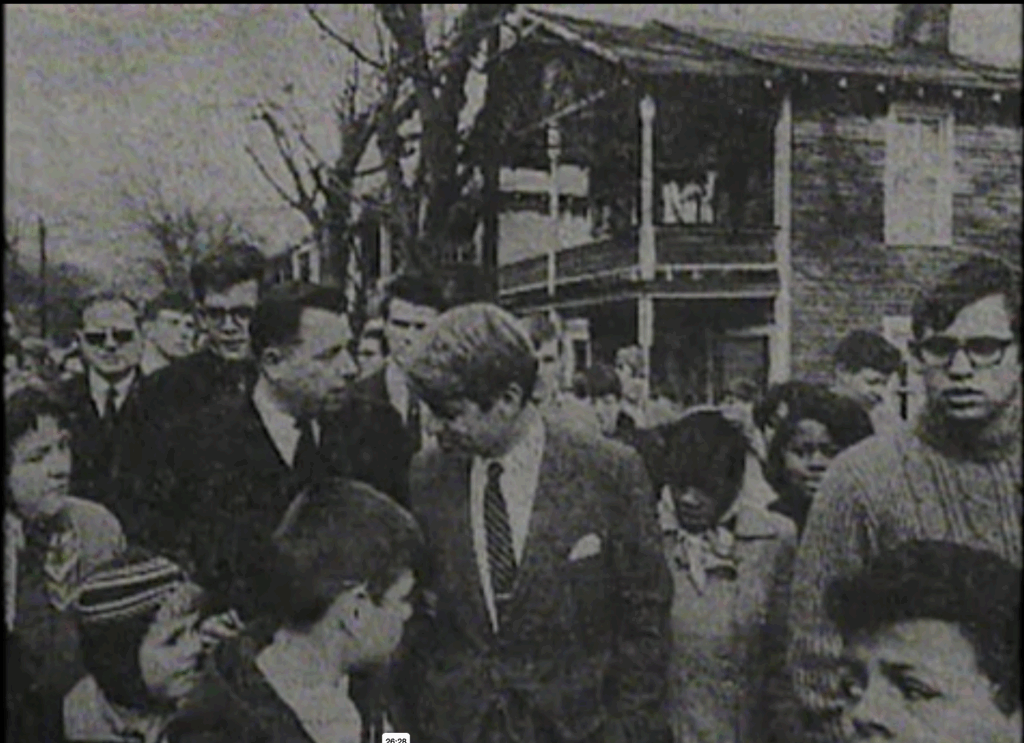
A local woman discusses how they only showed the poverty in the town, not middle class areas of the town. The camera crew only targeted the people who were in the worst situations. Elizabeth Barret poses the idea that “Media images can bring out powerful and conflicting emotions.” (Stranger With A Camera, 26:46). Barret also poses the question of whether people didn’t like the way their town was represented because they were afraid of being considered poor as well. The locals have basically no say in how they are shown. They are just living their lives, and these camera crews come and disrupt their daily life.
In the introduction of Doing Documentary Work, Robert Coles begins by referencing James Agee and his book Let Us Now Praise Famous Men. There are extremely close parallels between what Agee did and what CBC, BBC, Hugh O’Connor, and Elizabeth Barret were all doing. They were all documenting an impoverished community in a very specific location from their own unique perspectives. Agee, coming from Fortune Magazine, is similar to the idea of an outsider coming to a place where the locals may not want to be represented by the outsider who has more power in the grand scheme of things.
Leave a Reply